Discover the Enigmatic World of The Night Child Saga
- Chris Stump
- 3 days ago
- 4 min read

The Night Child Saga is a captivating journey into a world where magic intertwines with reality, and the boundaries of imagination are pushed to their limits. This series has captured the hearts of readers with its rich storytelling, complex characters, and an intricate plot that keeps you on the edge of your seat. In this blog post, we will explore the elements that make The Night Child Saga a must-read, delve into its themes, characters, and the unique world it creates, and provide insights into why this series resonates with so many.

The Allure of Fantasy
Fantasy literature has a unique ability to transport readers to different realms, allowing them to escape reality and explore the unknown. The Night Child Saga excels in this aspect, offering a vivid and immersive experience. The world-building is meticulous, with every detail crafted to enhance the reader's journey. From the enchanting landscapes to the intricate magic systems, the saga invites readers to lose themselves in its pages.
World-Building
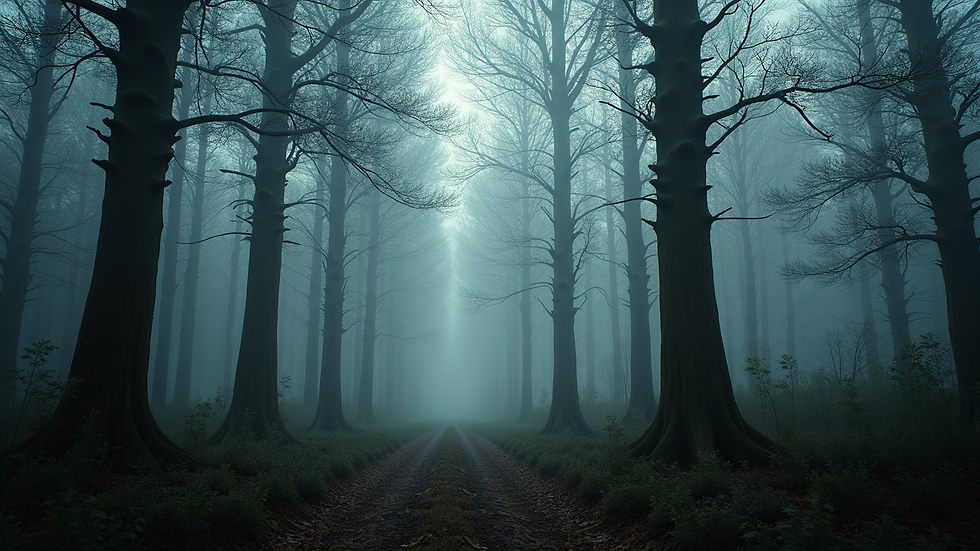
One of the standout features of The Night Child Saga is its world-building. The author has created a universe that feels both familiar and alien, filled with diverse cultures, languages, and histories. The settings range from dark, enchanted forests to bustling magical cities, each with its own unique charm and challenges.
Diverse Locations: Each location is not just a backdrop but plays a crucial role in the story. For example, the enchanted forest is not only a place of beauty but also a source of danger and mystery.
Rich Lore: The history of the world is woven into the narrative, providing depth and context to the characters' journeys. Readers learn about ancient prophecies, legendary heroes, and the struggles that shaped the world.
Magic Systems
Magic is a central theme in The Night Child Saga, and the author has developed a unique system that governs its use. This magic is not just a tool for the characters but is intricately tied to the world itself.
Rules and Limitations: The magic system has clear rules and limitations, making it feel grounded and believable. Characters must navigate these rules, leading to tension and conflict.
Character Development: The way characters interact with magic reveals their personalities and growth. Some may embrace it, while others struggle with its consequences.
Characters That Resonate
The characters in The Night Child Saga are multi-dimensional and relatable, each with their own motivations, flaws, and growth arcs.
Protagonists and Antagonists
The saga features a diverse cast of characters, from brave heroes to complex villains.
The Hero: The main protagonist embodies resilience and courage, often facing insurmountable odds. Their journey is not just about external battles but also internal struggles, making them relatable to readers.
The Antagonist: A well-crafted antagonist adds depth to the story. Their motivations are explored, making them more than just a villain. Readers can understand their perspective, even if they don’t agree with their actions.
Supporting Characters
Supporting characters play a vital role in enriching the narrative. They provide comic relief, wisdom, and sometimes serve as catalysts for the protagonist's growth.
Mentors: Wise mentors guide the hero, offering insights and lessons that shape their journey.
Friends and Allies: The bonds formed between characters highlight themes of friendship, loyalty, and sacrifice.
Themes That Resonate
The Night Child Saga tackles several themes that resonate deeply with readers, making it more than just a fantasy tale.
Identity and Self-Discovery
At its core, the saga is about identity and self-discovery. Characters grapple with their pasts, their choices, and what it means to be true to oneself. This theme is particularly relevant for young adult readers who are navigating their own journeys of self-discovery.
Good vs. Evil
The classic theme of good versus evil is explored in nuanced ways. The saga challenges readers to consider the gray areas between right and wrong, encouraging them to think critically about morality and choices.
The Power of Friendship
Friendship is a recurring theme that underscores the importance of connection and support. The relationships between characters highlight how they uplift each other, face challenges together, and grow through their experiences.
The Impact of The Night Child Saga
The Night Child Saga has left a significant mark on its readers and the literary community. Its blend of engaging storytelling, relatable characters, and profound themes has garnered a dedicated fanbase.
Reader Engagement
Fans of the saga often engage in discussions about their favorite characters, plot twists, and theories about future installments. This engagement fosters a sense of community among readers, enhancing their overall experience.
Adaptations and Expansions
The popularity of The Night Child Saga has led to discussions about adaptations into other media, such as graphic novels or television series. These adaptations can introduce the story to new audiences while expanding the universe in exciting ways.
Conclusion
The Night Child Saga is more than just a fantasy series; it is a rich tapestry of storytelling that invites readers to explore complex themes, relatable characters, and a beautifully crafted world. Whether you are a long-time fan or new to the series, there is always something new to discover.
As you embark on this journey, consider what themes resonate with you and how the characters' struggles mirror your own experiences. The Night Child Saga is not just a story; it is an invitation to reflect on your own journey of self-discovery and the power of connection.
So, grab a copy, immerse yourself in the enchanting world, and let the magic unfold.

Comments